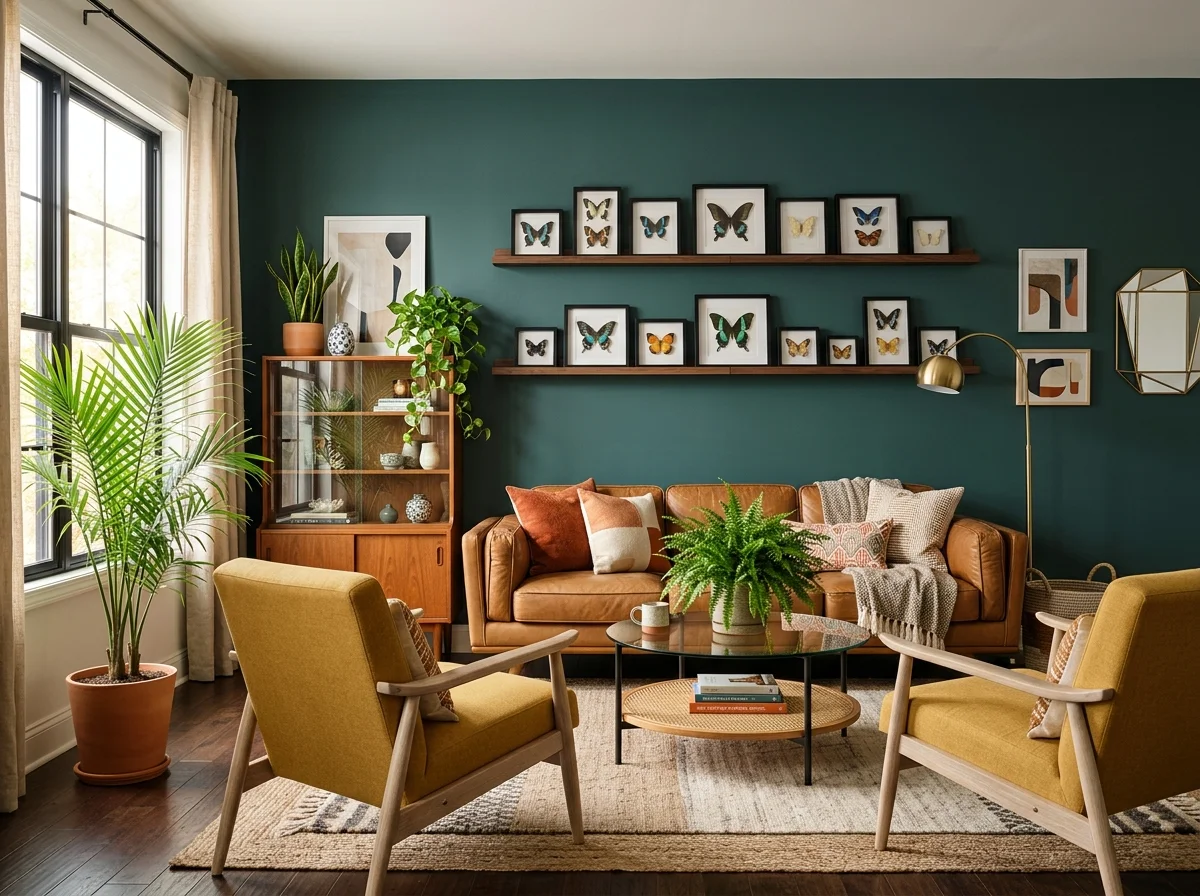
Last weekend was spent on three projects: painting the spare bedroom in Farrow & Ball Setting Plaster (two coats), sewing six linen napkins for the dining table, and refinishing a small oak side table from an auction house. The room is finished, the napkins are in the drawer, the side table has its second coat of oil drying. None of these projects look DIY. That is the point of a productive weekend.
A working weekend DIY plan covers one significant project (a room paint, a panelling installation, a furniture refinishing) and one or two smaller projects that can run in parallel during drying times. The mistake is taking on three big projects and finishing none of them.
From the same corner of the site: DIY Home Decor Handbook and DIY Bedroom Decor Projects That Aren't Twee.
A single weekend is enough to genuinely change a room — if you pick the right project. These thirteen weekend DIY jobs each finish in a day or two and deliver real impact, from painting a room to building a window seat. Pick the one that matches your skills, your tools, and the room that needs it most.
1. Paint a Whole Room
The highest-impact weekend project: paint a tired room a warm new colour. Two days covers prep, cutting in, and two coats. For the price of paint, the room is transformed. Choose a warm neutral or a drenched deeper tone, sample it first, and a single weekend changes the room more than any other job at the cost.
2. Panel a Feature Wall
Tongue-and-groove, batten, or simple square panelling on one wall — a weekend's measuring, cutting, fixing, and painting — adds architectural texture and a focal point. Painted out in the wall colour it reads built-in; in a contrast it's the feature. It's the project that makes a plain room look considered and characterful in two days.
3. Build and Style Open Shelving
A run of open shelves on a bare wall — timber, brackets, a weekend of cutting, fixing, and oiling — adds storage and display at once. Styled with books, objects, and a plant, open shelving warms a room and makes a feature of what you own. A satisfying, useful build well within a beginner's weekend.
4. Upcycle a Piece of Furniture
A tired chest, cabinet, or table, sanded and painted a warm tone with new brass hardware, becomes a characterful piece over a weekend for the cost of paint and handles. Prep on Saturday, paint and finish on Sunday. Upcycling rescues solid old furniture and gives a room a unique piece for a fraction of buying new.
5. Fit a Picture Rail or Dado
Fitting a picture rail or dado rail to a plain room — a weekend of measuring, mitring, fixing, and painting — adds period character and a horizontal line that makes a room feel considered. The rail also lets you hang art on hooks without wall holes. A modest joinery project with an outsized effect on a room's character.
6. Build a Simple Window Seat
A window seat — a basic box bench in a bay or under a window, topped with a firm cushion — is an ambitious but achievable weekend build that adds seating, storage, and the cosiest spot in the room. Ply and MDF, a weekend of building, then a cushion. It turns a window into a place to sit and earns its effort daily.
7. Swap All the Hardware and Lighting
A weekend spent swapping every cabinet handle to brass, fitting a new pendant or two, and changing all the bulbs to warm white transforms a room with no structural work. It's a screwdriver-and-stepladder weekend, but the cumulative effect — warm light, warm metal — makes a room read newly designed. High impact, low skill.
8. Lay a Click or Peel-and-Stick Floor
A small room's floor — a click-together engineered floor or peel-and-stick tiles or vinyl — is a realistic weekend job that transforms the room from the ground up. No specialist tools for click systems; just careful measuring and cutting. A new floor changes a room more than almost anything, and a small room is doable in two days.
9. Build a Bookcase or Alcove Shelving
Fitted alcove shelving either side of a chimney breast, or a freestanding bookcase, is a weekend build that adds serious storage and makes a feature of books and objects. Cut to fit the alcove, paint to match or contrast. It's the project that turns dead alcove space into the most useful, characterful wall in the room.
10. Make Lined Curtains
A weekend at the sewing machine produces full, lined, floor-length curtains in your chosen fabric for the cost of materials — a job that costs hundreds made-to-measure. The lining makes them hang heavy and block light. It's the project that transforms the largest soft surface in a room, and a rewarding weekend's sewing.
11. Tile a Splashback or Small Floor
Tiling a kitchen splashback or a small bathroom floor with a characterful handmade-look tile is an achievable weekend project — adhesive, tiles, spacers, grout. A small area is forgiving for a first-time tiler, and the texture and warmth a good tile brings transforms the surface. Patience on the cutting, and a weekend does it.
12. Hang a Gallery Wall Properly
A weekend is enough to do a gallery wall right: gather the frames, lay them out on the floor, trace paper templates, and hang with consistent spacing and proper fixings. Rushed gallery walls read chaotic; a weekend's careful planning makes one read collected and intentional. The time is in the layout, and it's worth taking.
13. Match the Project to Your Weekend
The secret to weekend DIY is honest scope: a confident painter can do a room; a beginner should start with shelving or hardware. Don't begin a window seat at 4pm on Sunday. Pick a project you can genuinely finish in the time and tools you have — a completed simple job beats an abandoned ambitious one every weekend.
The Detailed Project Walkthroughs
The projects above are the menu; below, the same jobs with step-by-step detail, tool and material lists, and realistic timings, so you can pick a weekend project and know what you're taking on before you start.
Project 1: Painting One Room
Time: a long weekend (Friday evening prep, Saturday paint, Sunday touch-ups and reassembly).
Materials: £80-150 in paint and supplies for a typical bedroom or small living room.
The detailed approach is covered in the DIY handbook. The shortened version: prep on Friday evening (move furniture, mask trim, drop cloths). First coat Saturday morning. Second coat Saturday afternoon. Touch-ups Sunday morning. Reassembly Sunday afternoon.
The single project most likely to be cosy after one weekend.
Project 2: Refinishing a Thrifted Piece of Furniture
Time: a full weekend with overnight drying between oil coats.
Process: strip Saturday morning, sand to 220 grit Saturday afternoon, oil first coat Sunday morning, oil second coat Sunday afternoon if dry. The piece is usable Monday morning.
A bedside table, a small chest, a single chair, or a side table all suit this timeline. Larger pieces (dining table, sideboard) often need a full weekend per side.
Project 3: Sewing Cushion Covers and Pillowcases
Time: an afternoon to half a day, depending on quantity.
Sewing in batches is efficient. Four cushion covers and two pillowcases in a single Saturday afternoon, cut and sewn assembly-line style — one cutting session, one sewing session.
Materials: £40-80 in linen, depending on which source and which weight.
Project 4: Building Plywood Floating Shelves
Time: half a day for two or three shelves.
The wall fixing is the main constraint. Mark studs accurately, install the bracket strip first, then slide and secure the plywood shelf. Two or three shelves in a kitchen, an alcove, or above a bed take half a Saturday.
Materials: £40-80 per shelf depending on size.
Project 5: Hanging a Gallery Wall
Time: half a day including the planning phase.
The planning is more time-consuming than the hanging. Lay everything on the floor first. Cut paper templates. Tape templates to the wall. Live with for 24 hours before committing. Then hang in a single session.
For renters using Command strips, the hanging itself is faster than drilling, but the planning is identical.
Project 6: Installing Half-Height Panelling on One Wall
Time: a long weekend including paint.
Saturday morning: measure, cut, dry-fit. Saturday afternoon: install panels with adhesive and finish nails. Sunday morning: install chair rail and skirting, fill nail holes. Sunday afternoon: prime and paint.
Materials: £130-200 per wall.
Project 7: Making Framed Cyanotype Art
Time: an afternoon for the prints, an evening for framing.
Cyanotype prints expose in 5-20 minutes per print under sunlight (or 30-90 minutes under cloudy conditions). A series of 6 prints from one afternoon. Framing takes an evening if you have the frames ready.
Materials: £40-80 for paper, frames, and matting.
Project 8: Replacing All the Hardware in a Kitchen
Time: half a day to a full day depending on quantity.
A standard kitchen with 12 cabinet pulls and 6 drawer knobs takes 4-6 hours. The replacement is a screwdriver job — remove the existing, line up the new hardware, screw in.
Where holes in the cabinet don't align with the new hardware, fill with wood filler and re-drill before installing. This adds an hour or two to the project.
Materials: £80-300 depending on hardware quality.
Project 9: Sewing Linen Napkins and a Table Runner
Time: an afternoon.
A set of 6 napkins and one runner takes 4-5 hours of cutting and sewing. The construction is simple — hem all four edges of each piece. The technique repeats across napkins and runner.
Materials: £30-60 in linen.
A set of linen napkins is the most useful sewing project beyond cushion covers — they get used daily, they replace paper napkins entirely, and they age beautifully.
Project 10: Painting a Single Piece of Furniture
Time: a weekend including drying.
A single piece of furniture (a dresser, a chest of drawers, a coffee table) can be painted across a weekend with proper prep, primer, and two coats of paint. The drying time between coats determines the schedule more than the actual application time.
Best for: pieces that are structurally sound but in a bad colour, or pieces where painting unifies a mismatched set.
Materials: £40-80 depending on size and paint quality.
What Not to Take on for a Weekend Project
Anything involving multiple rooms. "I'll paint the living room AND the dining room AND refinish the floor this weekend." None of these will finish.
Pinterest hacks. Mason jars spray-painted gold for vase replacements. Tea-stained lace doilies as wall art. Anything involving hot glue gun and pine cones. The results look DIY in the worst way.
Major changes you might regret. Wallpaper, dramatic accent walls, statement furniture refinishing in bold colours. Live with the existing room for a year before doing dramatic things.
Anything requiring permits or professional sign-off. Electrical, plumbing, structural changes, gas. Not appropriate weekend projects regardless of skill.
Tile work. Even small tile projects take longer than expected, and the results look amateur for years. Hire a tradesperson.
The single most productive weekend DIY plan: one significant project and one small parallel project. Three big projects in a weekend produces three half-finished rooms.
A Sample Productive Weekend
Friday evening: move furniture, mask trim, prep the bedroom for paint.
Saturday morning: first coat of paint in the bedroom (3 hours including drying). While paint dries, start the refinishing project on a bedside table — strip and sand.
Saturday afternoon: second coat of paint. While drying, apply first oil coat to the bedside table.
Saturday evening: sew three linen pillowcases for the bedroom.
Sunday morning: touch-ups on the paint. Second oil coat on the bedside table.
Sunday afternoon: reassemble the bedroom — furniture back, art rehung, bedside table in position with new oil finish.
Result: a painted bedroom, a refinished bedside table, three new pillowcases. Three completed projects in one weekend.